Learn geographic information system (GIS) theory and applications specifically related to the study of the environment through lecture and hands-on work. Prerequisite: ES 172 or MS 101N.
Learn geographic information system (GIS) theory and applications specifically related to the study of the environment through lecture and hands-on work. Prerequisite: ES 172 or MS 101N.
Learn geographic information system (GIS) theory and applications specifically related to the study of the environment through lecture and hands-on work. Prerequisite: ES 172 or MS 101N.
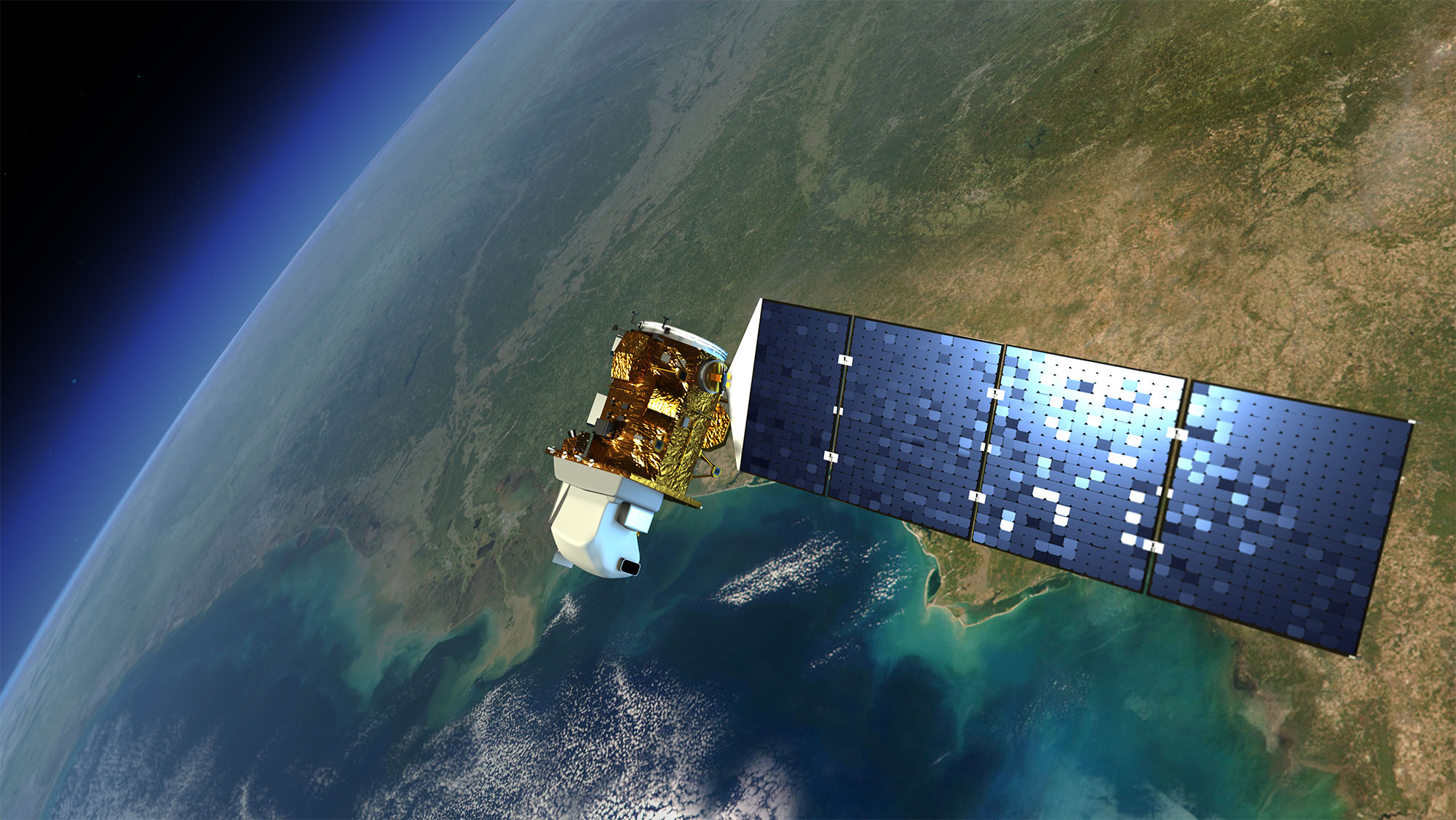
Introduction to remote sensing principles, techniques, and applications. This course uses satellite and airborne imagery to introduce methods for the assessment of plant health, characterization of soil, water resource analysis, and other environmentally motivated tasks. Prerequisite ES 172 or MS 101N.
Comprehensive overview of the relationship between the environment and human health from global to local scales. Topics include water and sanitation, infectious diseases, solid waste management, food safety, toxicology, risk assessment, and other environmental hazards.
Prerequisites: ES 172, BI112, or PU201S.
Through case studies of past, current, and future environmental issues, students will learn how the natural world and environmental concerns have been communicated historically and how they can be best communicated today through various mediums. Prerequisite: ES 172 or CM 101.
Through case studies of past, current, and future environmental issues, students will learn how the natural world and environmental concerns have been communicated historically and how they can be best communicated today through various mediums. Prerequisite: ES 172 or CM 101.
Ecosystem-based management represents management approaches which emphasize restoring and protecting the health, function, and resilience of entire ecosystems. This course investigates key concepts and applications of ecosystem-based management. Prerequisites: ES216, junior standing.
This course asks: how are fisheries around the globe being governed today, and how might they become more sustainable? Students will critically evaluate the complexities faced by fisheries managers. Prerequisite: ES 172 or AN 210.
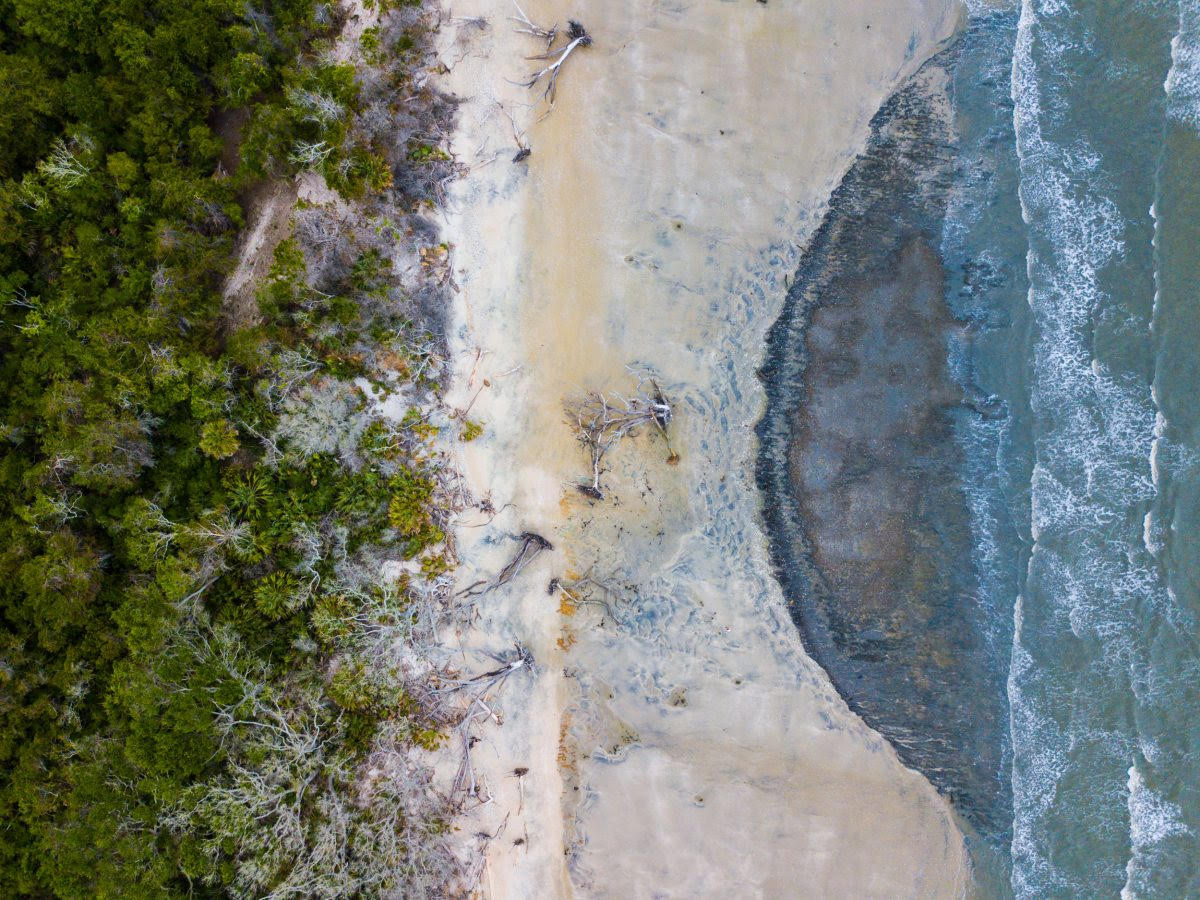
Introduction to the principles of wetland science, including distribution, classification, and function; physical attributes (hydrology, soils, and biogeochemistry); general ecology and biological adaptations of wetland flora; human and natural impacts to wetlands; and restoration. Prerequisite: ES 172, ES 211N or MS 101N, and Junior or Senior Standing.
This course will enable students to effectively communicate about climate change to various audiences through the application of primary, cutting edge social science research on public opinion, understanding, acceptance, and action. Prerequisite: ES 172 or ES 317 and Junior or Senior class standing.
Sustainable Cities studies cities as human habitat. Using St. Petersburg as a model to study urbanization, this course provides students with the conceptual background to develop research projects related to urban sustainability. Prerequisites: ES 172 and Junior Standing.
Employ environmental studies research and analysis skills to complete an original research project; critique academic research; complete an environmental internship. Comprehensive exams on key methods and topics in environmental studies.
Employ environmental studies research and analysis skills to complete an original research project; critique academic research; complete an environmental internship. Comprehensive exams on key methods and topics in environmental studies.
An optional freshman course held during winter term, the Leadership and Self-Discovery Program enables students to develop a better understanding of their own personal attributes and possibilities while improving their learning skills, life planning skills, and leadership skills. By permission of instructor only.